
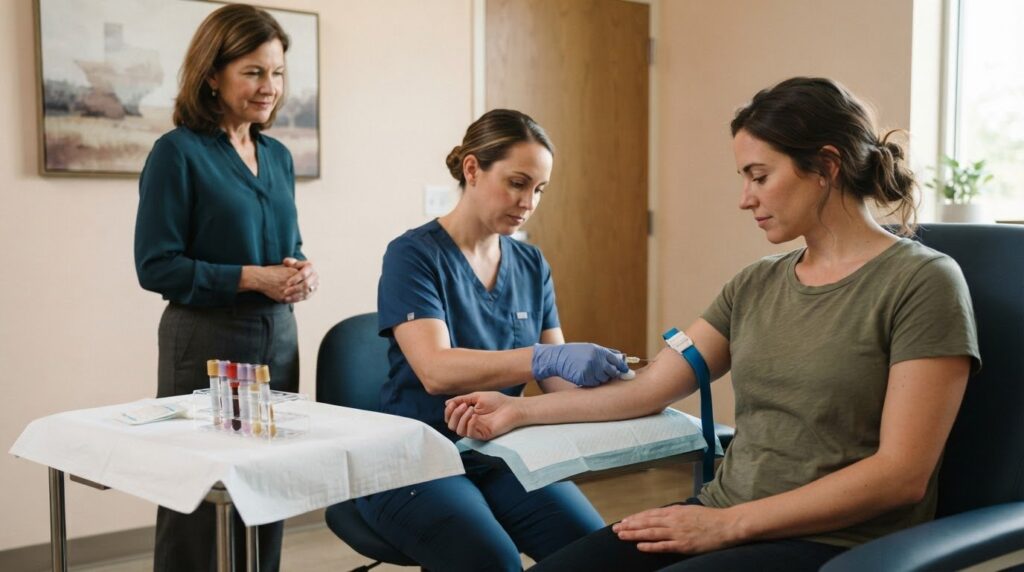
PCOS is more than a period problem. It’s a hormonal and endocrine disorder that can disrupt ovulation and contribute to irregular or absent periods, acne, excess facial or body hair, and difficulty getting pregnant. Holistic treatment for PCOS in Dallas can look beyond individual symptoms by considering your health history, metabolic health, nutrition, and daily habits together.
If you’re wondering why your symptoms keep changing or whether they’re connected, the uncertainty can feel frustrating. PCOS affects people differently, so useful care starts with understanding your symptoms and the broader health picture.
Learn what PCOS is, which symptoms and metabolic factors may matter, and how nutrition and lifestyle changes can support care. Tracking changes over time can help you and your clinician tailor the plan to your needs instead of relying on guesswork or a one-size-fits-all approach.
Key Takeaways
- Recognize symptom patterns that may point to PCOS, including changes in menstrual cycles and signs of elevated androgens.
- Understand how nutrition, movement, sleep, and stress-care habits can become practical parts of a PCOS plan.
- Learn why metabolic blood tests can help assess insulin resistance and cardiovascular risk alongside symptom evaluation.
- Use nutrition support and consistent progress tracking to refine a plan around your needs and how your body responds.
PCOS symptoms
PCOS is a hormonal disorder involving reproductive hormones and ovarian function. Holistic treatment for PCOS in Dallas considers patterns in your symptoms and health history, rather than focusing on just one concern.
Symptoms Linked to Hormonal Imbalance
PCOS can disrupt ovulation, contributing to infrequent, prolonged, unpredictable, or absent periods. Ovarian follicles may not release eggs regularly, which can affect fertility. Other possible symptoms include acne, oily skin, scalp hair thinning, and excess facial or body hair. Two or more signs may prompt a clinical assessment, but symptoms alone don’t establish a diagnosis.
Androgen Levels and Related Symptoms
Elevated androgen levels can be associated with acne, oily skin, excess hair growth, or thinning scalp hair. Note when changes began and whether they’re progressing, along with any menstrual changes. This timeline gives a clinician useful context. Insulin resistance can also occur with PCOS, making metabolic health relevant when discussing type 2 diabetes risk.
Consider an assessment if your periods become persistently irregular or stop, hair or skin changes progress, or you’re having difficulty getting pregnant. Pelvic pain, anxiety, and depression also merit discussion. Holistic treatment for PCOS in Dallas should start with a careful review of your symptoms and health history.
Anti-androgen medicines can block some effects of androgens on the skin and may address concerns such as unwanted hair growth or acne. Discuss their suitability and monitoring with a prescribing clinician, based on your health history and treatment priorities.
What credentials should a Dallas PCOS naturopath, functional medicine doctor, or nutritionist have? Diagnosis and medication decisions belong with an appropriately licensed medical professional. For nutrition support, look for relevant training and experience with PCOS.
Can inositol help PCOS, and what are the risks? Its potential role and risks depend on the person, supplement, and other medicines. Review it with a qualified clinician before use, and don’t replace prescribed care with a supplement.
How can someone find a reputable PCOS specialist in Dallas? Look for a clinician who considers symptoms, metabolic health, and personal goals, explains the assessment, and tracks progress. A clear plan connects findings with practical next steps.
Lifestyle changes for PCOS
For women of reproductive age with polycystic ovary syndrome, lifestyle changes can support long-term health alongside medical care. A practical plan addresses food, movement, sleep, and stress, not just weight gain.
Build meals around whole foods such as leafy greens, berries, whole grains, lean protein, and healthy fats. High-fiber choices and fewer sugary or highly processed foods can support a balanced eating pattern. Adapt portions and food choices to your routine, preferences, and health needs instead of following a restrictive plan without guidance.
Choose movement you can sustain, such as brisk walking, strength training, or Pilates. A practical target is 30 minutes per session, 3-5 days a week. Regular activity can support insulin sensitivity and menstrual-cycle regulation. If weight changes are part of your goals, focus on consistent habits; even a small amount of weight loss can help make periods more regular for some people with PCOS.
Protect sleep and make stress care specific. Aim for 7-9 hours of uninterrupted sleep, then try deep breathing, journaling, meditation, or yoga. For example, a short breathing practice before bed may fit more easily than adding several new routines at once.
Holistic care and standard medical treatment can work together: medical care addresses symptoms and health risks, while lifestyle changes support everyday metabolic health. A clinician can help align your nutrition and activity choices with your treatment plan.
In Texas, insurance coverage depends on your plan’s benefits and the service’s billing category. Nutrition counseling and acupuncture can have different coverage terms, so review your benefits before scheduling.
Delaying conventional PCOS care can postpone diagnosis and attention to metabolic risks. Early diagnosis and treatment can reduce the risk of long-term complications, including type 2 diabetes and heart disease; unproven treatments should not replace medical evaluation.
For tailored food strategies, functional nutrition counseling can help turn general lifestyle guidance into practical steps for your needs.

PCOS diagnostic labs and metabolic optimization
PCOS diagnosis combines clinical history with examination and testing. A personalized assessment connects reproductive symptoms with metabolic health, rather than treating one result as the whole picture. An endocrinologist can evaluate hormone-related concerns and interpret findings alongside changes in periods, weight, and other symptoms.
Testing may include a physical examination, pelvic examination, pelvic ultrasound, and blood tests. Each provides different information: an examination reviews relevant physical signs, ultrasound can show ovarian features, and blood work helps assess hormonal and metabolic factors. Share your symptom timeline, including cycle changes, acne, or unwanted hair growth, along with any current medicines or supplements.
For the question, “What tests and symptoms should be discussed when seeking PCOS treatment?” Bring details about menstrual patterns, skin or hair changes, fertility concerns, and weight changes. Ask which examinations and blood tests fit your history and how each result will inform diagnosis or follow-up.
Metabolic assessment matters because PCOS can involve insulin resistance, which may raise insulin levels in the blood. According to the World Health Organization, people newly diagnosed with PCOS are recommended to have blood tests for insulin resistance and cardiovascular risk. These results can help identify health factors to address while managing PCOS.
An endocrinologist-led approach can bring symptoms, examination findings, and lab results into one clinical discussion. A specialist can explain what the tests assess, how the findings relate to your reproductive and metabolic health, and which concerns need follow-up. Ask for a clear explanation of your results and a personalized plan for tracking changes over time.
PCOS nutritionist support and progress tracking
A nutritionist can turn broad PCOS advice into a plan shaped around your routines, preferences, symptoms, and goals. Insulin resistance, irregular periods, fertility priorities, and weight concerns can each call for a different focus. Personalized support can also help you identify which changes feel manageable in everyday life.
Start with a clear baseline. Note your usual meals, energy patterns, hunger, menstrual changes, and any symptoms you want to address. If weight loss is a goal, treat it as one measure, not the only marker of progress. This record gives you and your nutritionist a practical way to discuss what’s changing and what may need adjustment.
Progress tracking is most useful when it connects actions with meaningful outcomes. For example, if you add a balanced breakfast, note whether it fits your schedule and how your energy or hunger feels afterward. If irregular cycles or fertility are key concerns, document relevant changes and bring them to your clinician. A nutritionist can help track progress and adjust the strategy as your needs change.
- Food patterns: Record meal timing and choices to spot routines that feel sustainable.
- Symptoms: Note changes in energy, appetite, or cycle patterns alongside your daily habits.
- Goals: Choose priorities such as metabolic health, fertility support, or weight management.
- Review: Bring your notes to follow-up discussions so the plan reflects your experience.
These records aren’t a test of willpower. They provide useful context for understanding how the condition affects you and where support could help. If a plan feels difficult to follow, discuss barriers such as limited meal-preparation time or changing work hours, then adapt the approach rather than abandoning it.
For individualized help building and reviewing food strategies, explore functional nutrition counseling as a next step in managing PCOS.
Living Well Dallas: Functional Medicine Consultations
Living Well Dallas offers Functional Medicine Consultations for people seeking a broader discussion of their health concerns, PCOS symptoms, lab findings, and personal goals. Consider a consultation if you want help connecting those pieces and discussing an individualized path forward. Perimenopause & Menopause, Bioidentical Hormone Replacement Therapy, and Autoimmune Support are also among its services when relevant to your health needs.
A consultation can help you bring your questions and health history into a focused conversation. Discuss what you’ve noticed, what you hope to address, and which areas of care may fit your situation.
To explore a conversation about your care, visit livingwelldallas.com.
Take the Next Step With Your Care Plan
Your next step can be a focused conversation about what matters most to you. Before reaching out, consider your priorities, such as understanding your options, addressing symptoms that affect daily life, or seeing how your health history fits into a care plan. This can help make the discussion specific to your needs.
If you’re considering holistic treatment for PCOS in Dallas, Living Well Dallas offers Functional Medicine Consultations to discuss your concerns. Its care also includes Perimenopause & Menopause and Bioidentical Hormone Replacement Therapy when relevant to your health needs.
Contact Living Well Dallas to discuss PCOS care and explore a thoughtful next step. You deserve a care conversation that takes your questions seriously and helps you move forward with clarity.
Frequently Asked Questions
What is PCOS?
PCOS, or polycystic ovary syndrome, is a hormonal disorder that can affect reproductive and metabolic health. It may interfere with regular ovulation, and its effects can extend beyond menstrual cycles. Some people, for example, also experience skin changes or concerns involving blood sugar. A clinician considers the whole pattern, rather than treating the name “polycystic” as proof that ovarian cysts are present.
What Treatments Are Available?
PCOS care may combine lifestyle measures with medical treatments chosen around a person’s priorities. Depending on symptoms and goals, options can include medicines to regulate menstrual cycles, address acne or excess hair, or support blood sugar management. Fertility goals also influence treatment choices. Discussing whether you’re trying to conceive, managing skin concerns, or prioritizing metabolic health helps shape a more relevant care conversation.
What are the Symptoms?
Symptoms vary and can include irregular periods, unwanted hair growth, acne, scalp hair thinning, or difficulty getting pregnant. Other possible concerns include anxiety or depression, sleep apnea, pelvic pain, skin tags, and dark skin patches. These signs can have different causes, so note which changes you’ve noticed and how they affect daily life. Sharing that context helps a clinician decide what to explore.
What holistic treatments for PCOS are supported by clinical evidence?
Practical lifestyle measures, including a balanced eating pattern, regular movement, adequate sleep, and stress-management habits, can support PCOS care. These approaches complement, rather than replace, appropriate medical evaluation or treatment. For instance, a sustainable activity routine may be more useful than an abrupt, restrictive plan. Discuss supplements or major diet changes with a qualified clinician, especially if you take medication or have other health concerns.
Which Dallas clinics offer integrative or holistic PCOS treatment?
Living Well Dallas offers Functional Medicine Consultations and Functional Nutrition Counseling for people seeking individualized support. The practice serves Dallas, Plano, Frisco, Carrollton, Farmers Branch, Addison, Coppell, and Highland Park. A consultation provides a setting to discuss your health history and care priorities. The practice also offers services for perimenopause and menopause, bioidentical hormone replacement therapy, and other health needs.
What diet and exercise changes help manage PCOS symptoms?
Build meals with foods such as vegetables, fruit, whole grains, seafood, lean protein, and healthy fats, while limiting highly processed and sugary choices. Choose movement that fits your abilities and routine, such as walking or strength training. For a practical start, plan one balanced meal and a repeatable activity you can maintain. Hydration, sleep habits, and stress care can also support your broader routine.