
For more than two decades, millions of women have navigated menopause in the shadow of what leading experts now call one of the greatest errors in modern medicine—the black box warning on estrogen therapies. This warning, slapped onto estrogen products after the early 2000s, has dissuaded both doctors and women from pursuing hormone replacement as a viable and even life-saving intervention. But a wave of new evidence and an energized FDA leadership are shifting the tides.
Let’s delve into why this change matters, what it means for your health, and how you can take the reins of your hormone care for a vibrant life in your 50s, 60s, 70s, and beyond.
The Legacy of the Black Box Warning: Where Did We Go Wrong?
If you’ve ever been told that hormone therapy is too risky—that estrogen spells danger for your heart or puts you on a collision course with breast cancer—you’re not alone. This belief originates from the now-infamous black box warning, which marked all estrogen products as hazardous for cardiovascular disease, stroke, and cancer.
The only problem? The data never supported such sweeping claims.
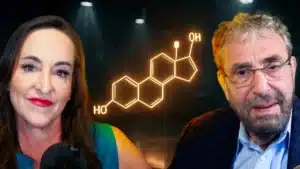
As Dr. Betty Murray and Dr. David Rosensweet discuss in this Menopause Mastery episode, the black box warning was more the result of a misinterpreted study and regulatory over-caution than science. In fact, more recent re-analyses and major studies demonstrate that, for most women, appropriately prescribed estrogen reduces the risk of breast cancer, heart attack, and stroke—especially when started around the time of menopause.
The Real Toll: Fear and Misinformation
This warning did more than spark scientific debate—it penetrated the very heart of women’s healthcare. Overnight, women and their doctors shied away from a therapy that could have prevented bone loss, preserved brain function, and prolonged quality of life. The result? An entire generation, now aging into their 70s and 80s, faces greater rates of dementia, osteoporosis, and frailty, much of which could have been mitigated with proper hormone care.
The Turning Point: Unboxing Estrogen at the FDA
Recently, the FDA hosted a landmark meeting to begin dismantling this old paradigm. A panel of progressive, scientifically-minded leaders—Dr. Marty Makary and Dr. Brennan among them—recommended removing the black box warning, acknowledging what data from massive studies like the Women’s Health Initiative actually shows: that estrogen therapy, especially when started around menopause, is safe and protective.
For Dr. Rosensweet, who’s spent over half a century advocating for women’s hormone health, this moment represented not just regulatory progress, but a seismic cultural shift. It’s no longer just “alternative” or “progressive” providers ringing this bell—mainstream medicine is joining the chorus.
Beyond Estrogen: The Need for Testosterone and Individualization
The FDA’s meeting didn’t just stop at estrogen. As Dr. Rosensweet highlights, experts also made the case for commercially available testosterone therapy for women. Testosterone, while often overlooked as a “male hormone,” is crucial for muscle mass, libido, bone strength, and cognitive clarity in women.
Women need individualized hormone care—made possible through compounding pharmacies and tailored regimens, not one-size-fits-all commercial patches or gels.
The Role of Compounding: Tailoring Hormone Care to You
Let’s break a persistent myth: compounding isn’t fringe medicine. As Dr. Rosensweet points out, every pharmacist was once a compounder; this precision practice is still routine in hospitals and critical care units. For menopause, compounding allows doses and delivery methods to match your unique needs, sensitivities, and goals.
Why Individualization Matters
Menopausal symptoms—and the health risks of low hormones—don’t manifest equally for everyone. Some women breeze through without hot flashes but silently lose bone and cognitive reserves. Others need extra support to regain their sense of self. The “right” dose for one woman might be double or triple what another needs—and only personalized care (often via compounded hormones) can address this spectrum effectively.
Simply put, compounding lets us get it right, not just for symptom relief, but for long-term protection of your brain, bones, and arteries.
Evidence Over Fear: What the Science Actually Says
One of the most striking revelations from this podcast episode is that women with adequate hormone replacement are at lower risk of breast cancer, heart attack, and stroke compared to those who forego treatment. This is true even for women 10, 20, or 30 years beyond menopause, provided their care is individualized and monitored.
It’s also true for women who have survived breast cancer. New studies show that, properly treated, hormone therapy actually nudges their risk for recurrence down, not up.
What About Age and “Missed Windows”?
Many women worry that they missed their chance by not starting hormones within the mythical “10-year window” after menopause. But as Dr. Rosensweet emphasizes, age is not a contraindication—risk must be assessed individually, and topical estrogen preparations (which don’t raise clot risk) can be safely introduced even in older women.
The bottom line: It’s never too late to explore hormone therapy, and benefits can still be robust for bone, muscle, cognition, and ultimate independence well into your golden years.
Practical Steps: How to Reclaim Your Hormone Health
1. Don’t Dismiss Your Symptoms—or Your Potential
Whether you’re in your 40s, 60s, or beyond, it’s your right to ask about hormone replacement, especially if you notice muscle loss, cognitive changes, thinning skin, low libido, or mood disruptions. These aren’t just “normal aging”—they’re signs your body wants support.
2. Seek Out an Expert Provider
Not all healthcare professionals are equally trained or open-minded. Shop around: ask friends, look for practitioners specializing in menopause and hormone therapy, and trust your instincts. The right provider will welcome your questions and work with you to find your optimal dose and formula.
3. Insist on Individualized Testing and Titration
Symptoms offer clues, but confirmation comes from gold-standard testing—like 24-hour urine hormone panels—to ensure you’re not over- or under-dosing. Aim for bone and brain protection, not just hot flash relief.
4. Don’t Fear the “Forever” Question
Contrary to past advice, you don’t need to stop hormones after a few years. Most women benefit from ongoing therapy—think of it as a lifelong investment in your vitality, independence, and agency.
The Empowered Future of Menopausal Health
The FDA’s move to lift the black box warning on estrogen isn’t just about changing a label—it’s about giving you back your options, your agency, and your future. Armed with new science and passionate advocacy, women are no longer taking “just live with it” as an answer.
This is your moment. With the right knowledge, the right provider, and the courage to advocate for yourself, you can redefine what’s possible for your health—at any age. And as more women step into this power, we truly are, as Dr. Murray says, rising together.
Remember: Menopause is not an ending. It’s an opportunity to step boldly into your next chapter—healthy, strong, and in command of your life.